Cerdagne, the High Plateau
A broad sunlit plateau in the eastern Pyrenees, split between two countries by a treaty in 1659 and still farmed for hay every summer.
A valley that is not a valley
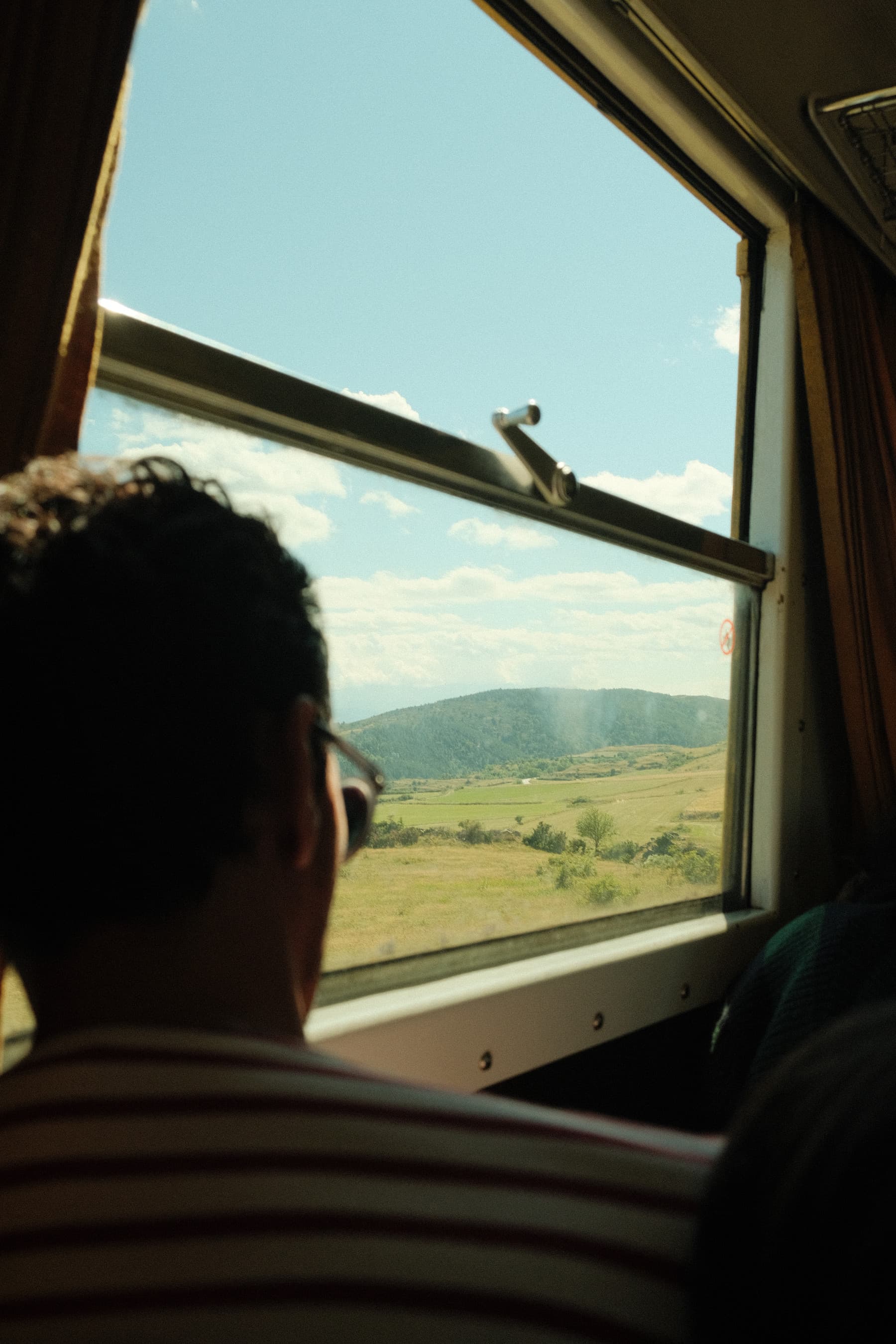
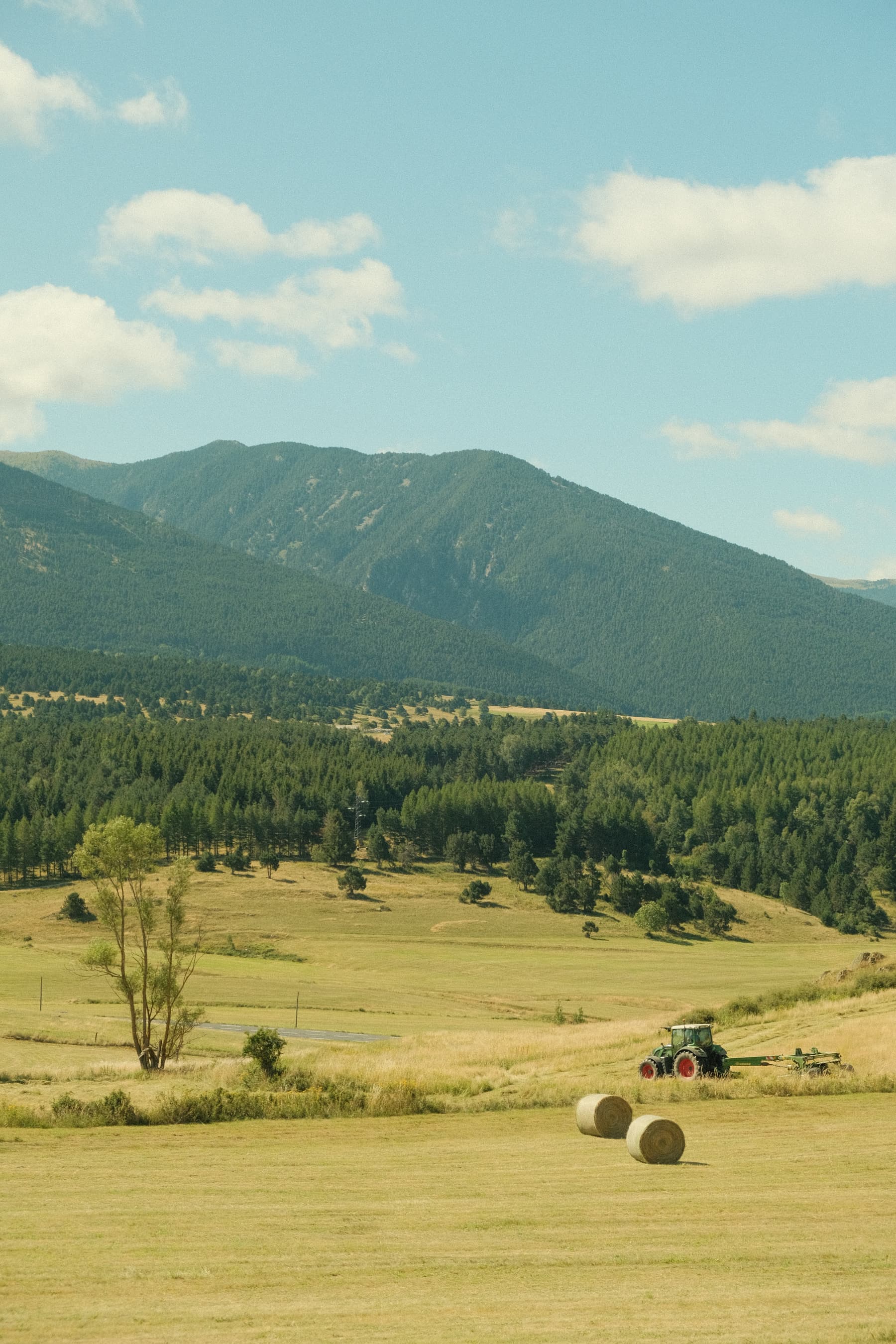
Most of the eastern Pyrenees is steep. The Cerdagne is not. It is a wide, flat-bottomed basin sitting at around 1,200 metres, ringed by mountains but open in the middle — the kind of terrain you do not expect to find at that altitude, and it changes what the landscape does with light.
Because it is open and high, it collects an unusual amount of sunshine, and the light stays clean well into the afternoon rather than being cut off early by a ridge. For photography that means long usable days and, in summer, a green that reads almost artificially saturated against the grey of the surrounding rock.
Divided by treaty
The Cerdagne is split between France and Spain. The border was drawn by the Treaty of the Pyrenees in 1659 and settled the following year by the Treaty of Llívia, and the settlement produced an oddity that has survived ever since: the town of Llívia remains Spanish territory, entirely surrounded by France.
Nothing about the landscape announces any of this. You cross from one country to the other through the same meadows and the same light. It is a good reminder that a border is an agreement rather than a feature.
Hay
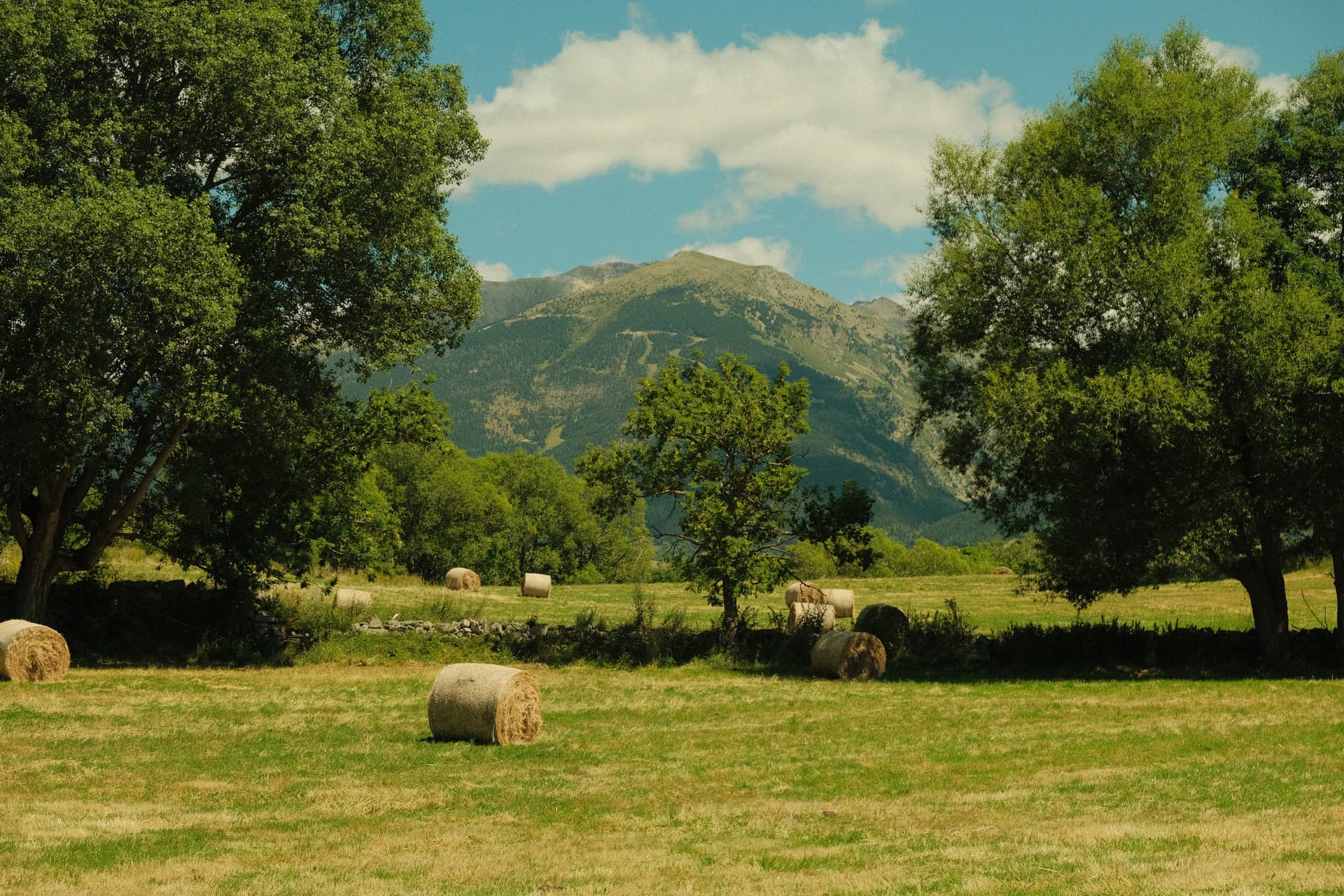
The plateau is working farmland, and in late summer it is mown for hay. The bales sit out in the fields for a while afterwards, and they do something useful to a picture: they give a flat, featureless meadow a rhythm and a sense of scale that it otherwise lacks.
One of the prints is exactly that and nothing more — bales, grass, the mountains behind. It is the plainest photograph in the collection and one of the ones we like most. Every frame preserves a fleeting moment, and a field that has just been cut is more fleeting than it looks; a fortnight later it is a different place entirely.
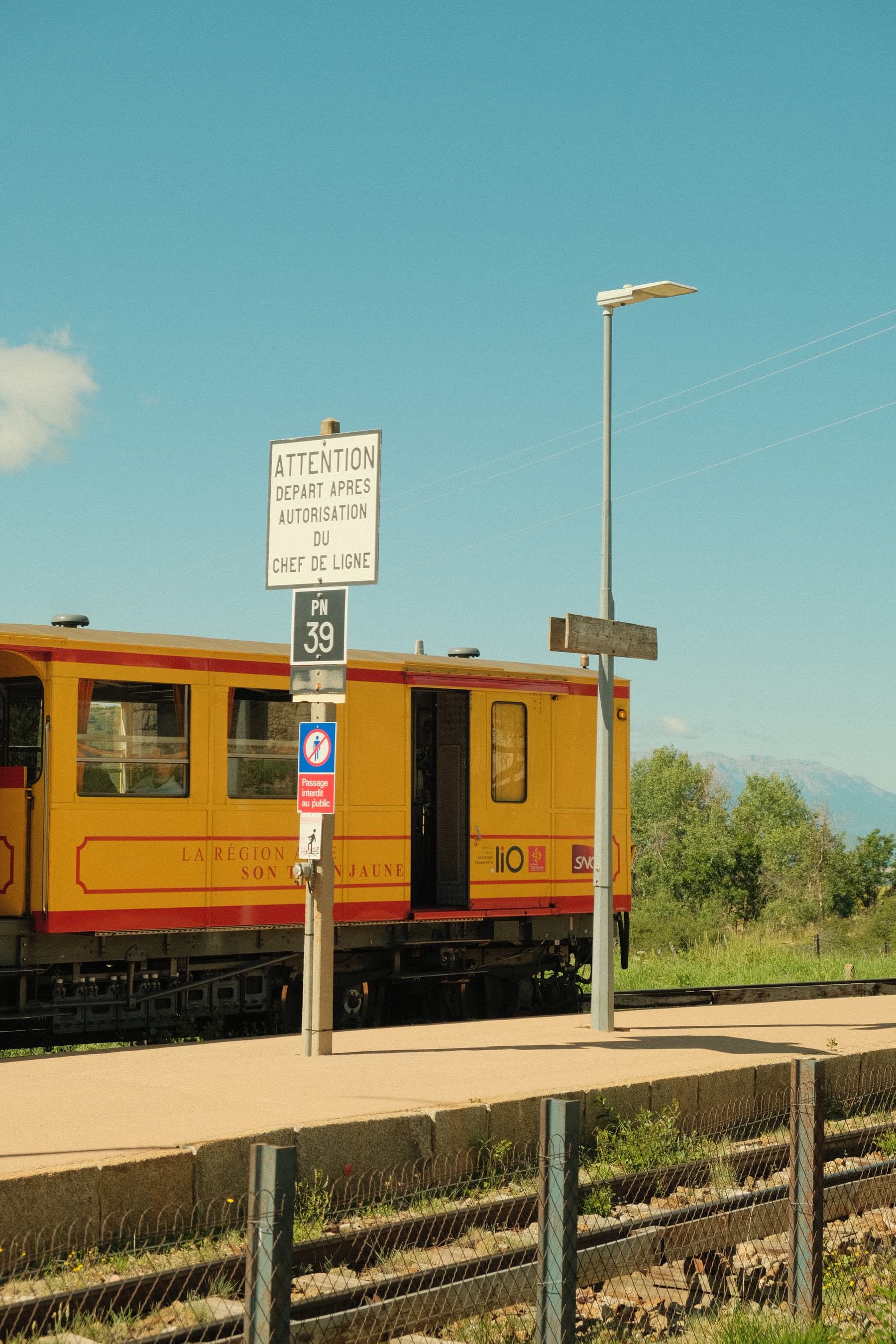
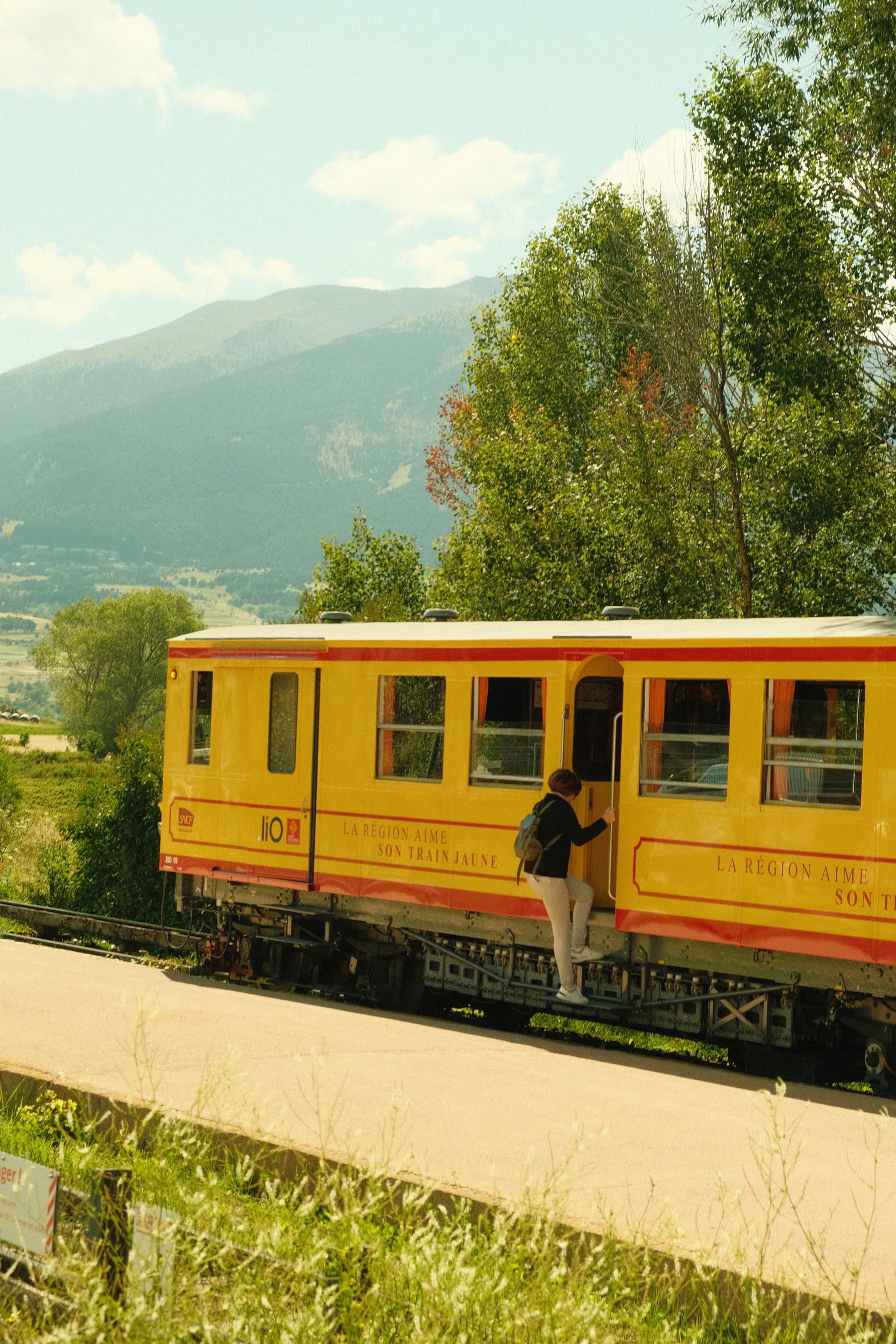
The train goes through here
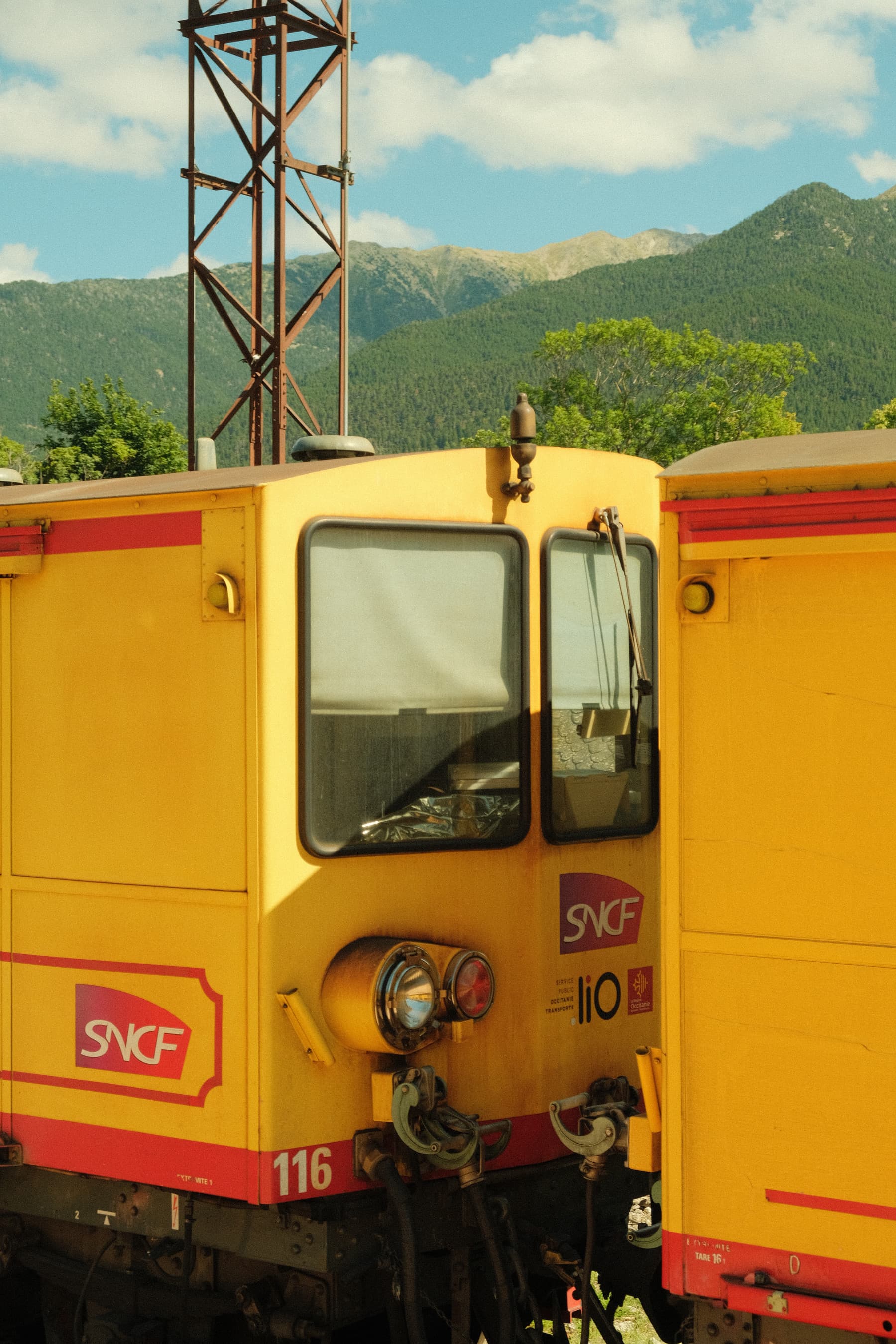
The Train Jaune crosses the Cerdagne on its way to Latour-de-Carol, which means the plateau and the railway are really one subject photographed two ways. If you are following these pictures in order, this is where the yellow train ends up.